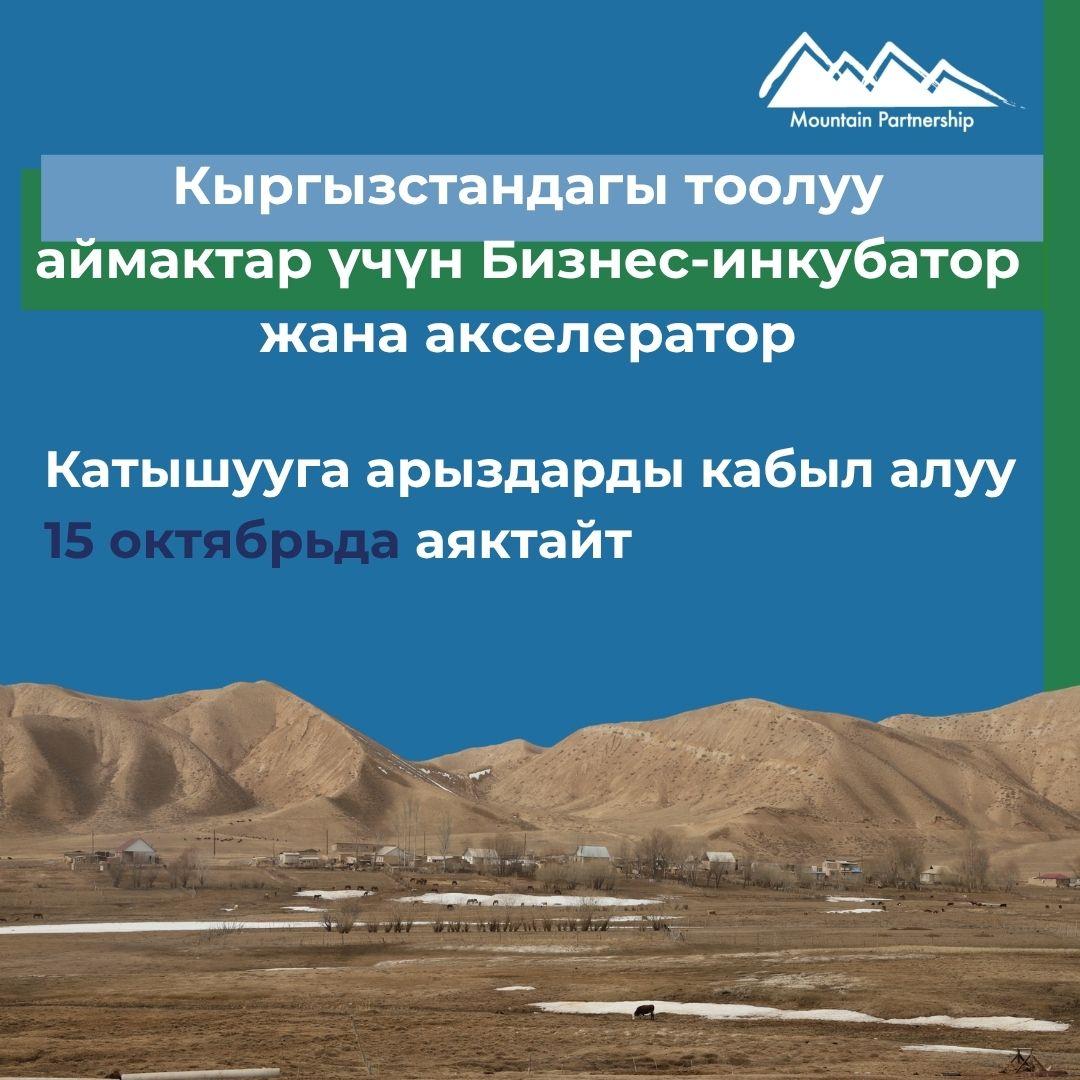
Напоминаем вам, что прием заявок в Бизнес-инкубатор и акселератор (BIA) для горных регионов Кыргызстана закроется 15 октября 2026 года (через семь дней).
BIA оказывает поддержку объединениям горных производителей, кооперативам, молодежным и женским инициативам, ремесленным группам и неправительственным организациям в укреплении их бизнеса по приоритетным цепочкам добавленной стоимости. К ним относятся: лекарственные и ароматические растения, молочная продукция, пчеловодство, натуральные волокна, фрукты и орехи, а также агротуризм. Отобранные участники получат индивидуальную поддержку в рамках бизнес-инкубации, а затем софинансируемые гранты в размере от 15 000 до 50 000 долларов США и услуги акселерации.
Процедура подачи заявки
· Заявки должны быть поданы через портал BIA не позднее 15 октября 2026 года.
· В Информационном буклете для заявителей указаны критерии отбора, процесс рассмотрения и перечень необходимых документов.
Заключительная сессия вопросов и ответов (проводится на кыргызском языке) Заинтересованные кандидаты приглашаются присоединиться к финальной информационной сессии, которая состоится 14 октября 2026 года в 10:00 CEST / 14:00 KGT (за день до окончания приема заявок).
· Ссылка на Zoom: https://fao.zoom.us/j/92955108045
· Идентификатор конференции: 929 5510 8045
· Код доступа: 56346334
Чтобы оставить достаточно времени на подготовку необходимых документов, рекомендуем заявителям приступить к заполнению заявки без промедления.
Будем признательны, если вы поделитесь этим объявлением с подходящими организациями из вашей сети контактов. По всем вопросам обращайтесь к нам по адресу MP-BIA@fao.org.
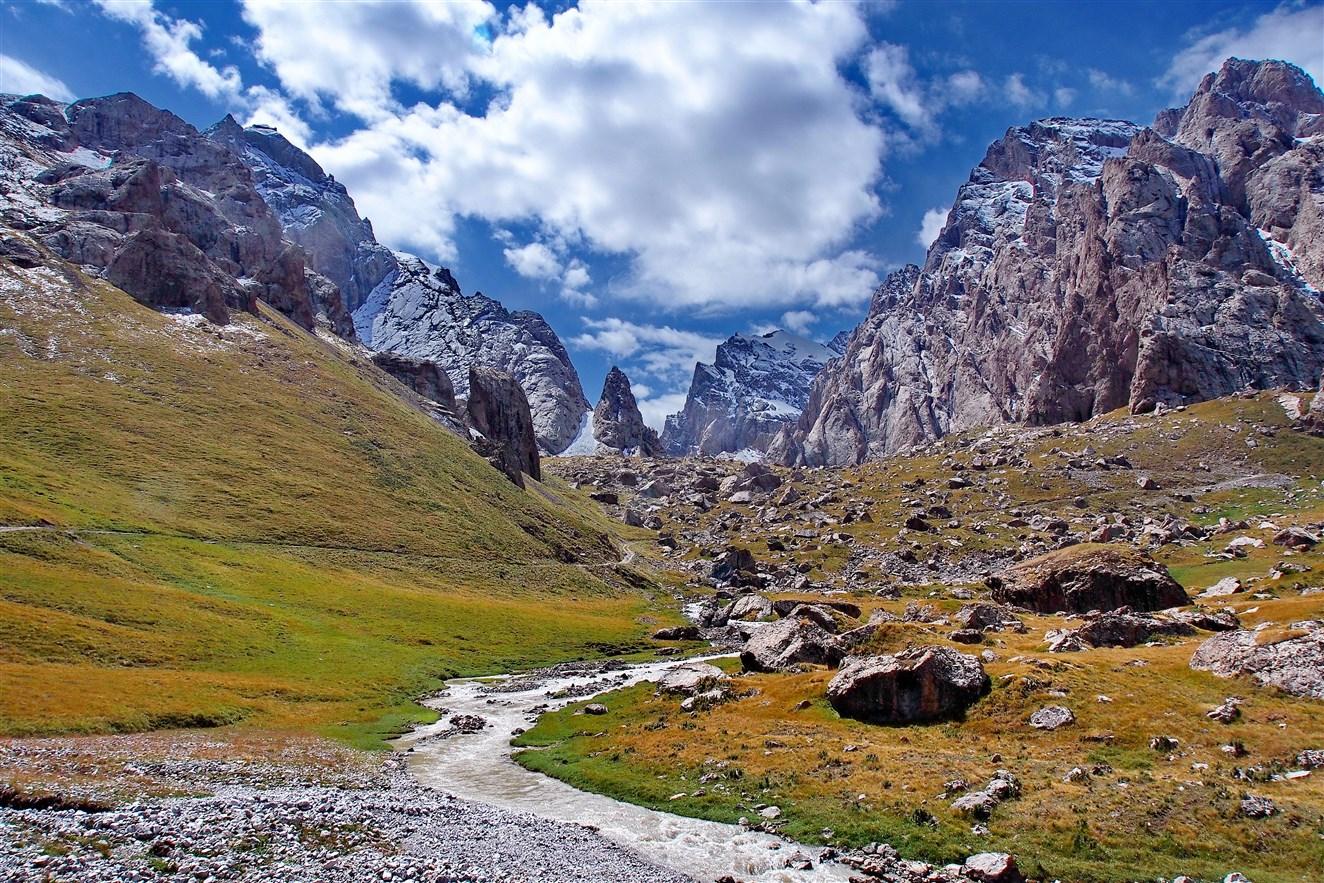
Срок подачи
заявок — до 15 октября 2026 года
Секретариат
Горного партнерства совместно с ФАО в Кыргызстане и Спецпредставителем
Президента Кыргызской Республики по горной повестке и Кабинетом Министров Кыргызской
Республики при финансовой поддержке Правительства Италии объявляет об открытии
приема заявок на участие в программе «Бизнес-инкубатор и акселератор для горных
районов Кыргызстана» (БИА).
Программа
направлена на поддержку бизнеса и инициатив, реализуемых непосредственно в
горных районах Кыргызстана, и развитие приоритетных направлений горной
экономики.
Кто может принять участие
К участию
приглашаются:
Поддержка
будет предоставляться по таким направлениям, как
·
лекарственные
и ароматические растения
•
фрукты, ягоды и орехи
•
молочная продукция и традиционные продукты горных территорий
•
продукция пчеловодства
•
хранение и переработка овощей
•
натуральные волокна, шерсть и изделия народных промыслов
•
переработанная пищевая и продукция горных территорий
•
агротуризм
•
ирригация, водопой для сельскохозяйственных животных и аквакультура.
Что получат участники
Отобранные
участники пройдут программу бизнес-инкубации и получат индивидуальную поддержку
для развития своих проектов.
На следующем
этапе предусмотрено предоставление грантов
от 15 000 до 50 000 долларов США, а также услуг
бизнес-акселерации, направленных на дальнейший рост и долгосрочную устойчивость
предприятий и инициатив.
Как подать заявку
Заявки
принимаются только через портал BIA:
https://fao-grants.smapply.io/prog/business_incubator_and_accelerator_bia_2026_-_kyrgyzstan/
Крайний срок
подачи заявок — 15 октября 2026 года.
В приложении
к пресс-релизу на сайте https://president.kg/ru/news/21/40819
доступны
информационные материалы для заявителей на кыргызском и русском языках, включая информацию о критериях
участия, порядке отбора и необходимых документах, а также форма заявки для
ознакомления.
Важно: после подачи заявки ее изменение
или отмена не допускаются.
При этом для
потенциальных заявителей организаторы проведут серию информационных вебинаров.
24 сентября 2026
года, 14:00
Информационный
вебинар о программе БИА, ее целях, приоритетных направлениях и
целевых территориях, а также о порядке подачи заявок
Zoom: https://fao.zoom.us/j/91361003047
Идентификатор
конференции:
913 6100 3047
Код доступа: 66932445
Также будут проведены
дополнительные три информационные сессии в формате вопросов и ответов, которые предоставят потенциальным участникам
возможность задать вопросы и получить разъяснения относительно программы и
процесса подачи заявок.
30 сентября 2026
года, 14:00
Первая сессия
вопросов и ответов
Zoom: https://fao.zoom.us/j/93878946198
Идентификатор
конференции: 938 7894 6198
Код доступа: 07544194
7 октября 2026
года, 14:00
Вторая сессия
вопросов и ответов
Zoom: https://fao.zoom.us/j/97484037901
Идентификатор
конференции: 974 8403 7901
Код доступа: 61020954
14 октября 2026
года, 14:00
Третья сессия
вопросов и ответов
Zoom: https://fao.zoom.us/j/92955108045
Идентификатор
конференции: 929 5510 8045
Код доступа: 56346334
Контакты
По вопросам,
связанным с процессом подачи заявки, можно обращаться по электронной почте:
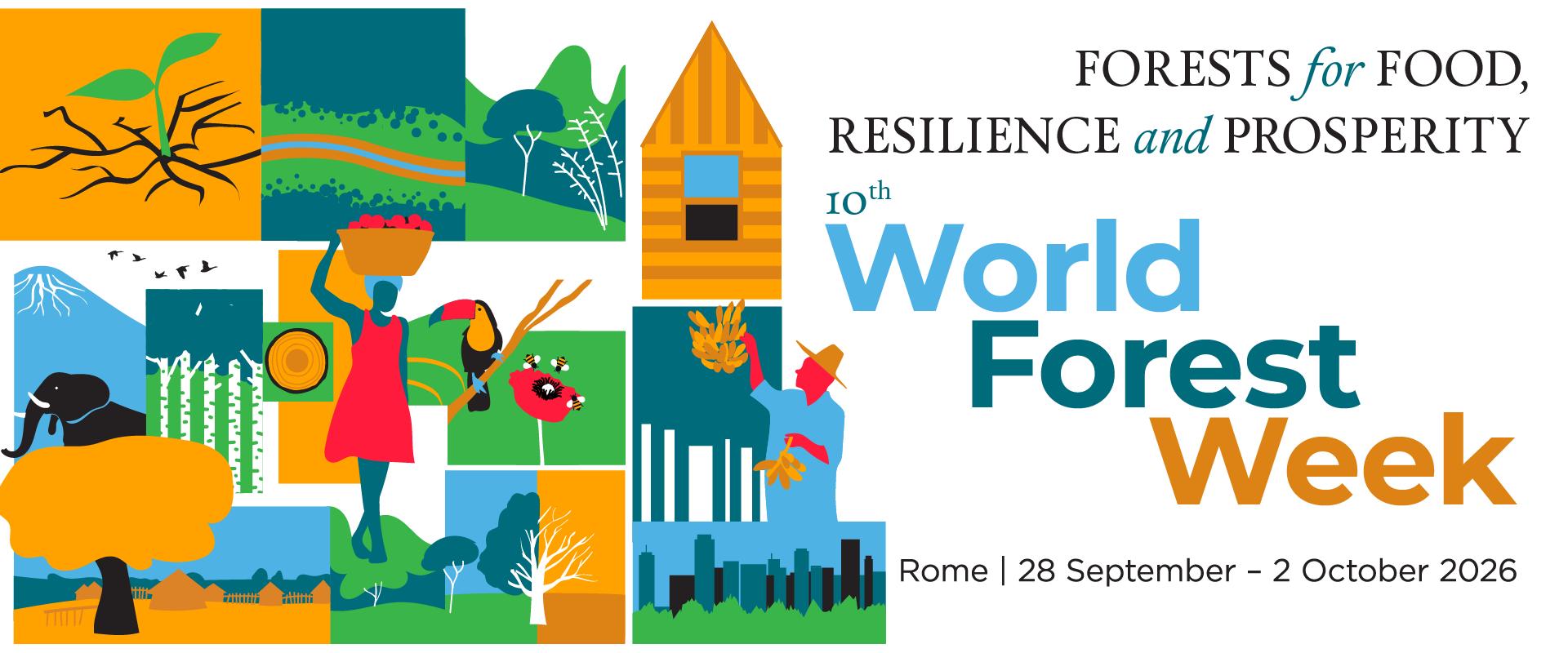
Горные леса покрывают около 40% площади горных территорий мира. При устойчивом управлении они служат источником средств к существованию и укрепляют устойчивость горных сообществ к изменению климата. Однако усиливающиеся последствия изменения климата создают беспрецедентные вызовы для горных сообществ, экосистем и экономик.
Секретариат Горного партнёрства совместно с Центром международных лесохозяйственных исследований и мировой агролесомелиорации (CIFOR-ICRAF) и Центром горного будущего в Куньмине приглашают вас принять участие в сайд-ивенте «Природные решения горных лесов для людей и процветания» в рамках Всемирной недели лесов 2026 года.
📅 Дата: 1 октября 2026 г.
🕐 Время: 12:15–13:45 (CEST)
📍 Место: зал «Австрия», штаб-квартира ФАО, Рим
🌐 Мероприятие будет транслироваться на английском, французском, русском и испанском языках
Опираясь на «Пять лет действий в интересах развития горных регионов 2023–2027», Андоррскую декларацию и динамику процессов Рио-де-Жанейрских конвенций, участники обсудят, как инвестиции в горные леса, ландшафты и сообщества могут одновременно способствовать продовольственной безопасности, устойчивым источникам существования, климатической устойчивости, сохранению биоразнообразия и устойчивому развитию.
В дискуссии примут участие члены и партнёры Горного партнёрства, которые поделятся опытом в области устойчивого управления горными лесами, климатического и финансирования развития, а также инклюзивных продовольственных систем. Особое внимание будет уделено практическим и инновационным решениям, уже применяемым в горных регионах, а также ключевой роли коренных народов, женщин и молодёжи в сохранении горных экосистем и укреплении продовольственной безопасности и устойчивости.
Мероприятие также станет вкладом в подготовку к Глобальному горному саммиту «Бишкек+25», который состоится в 2027 году, и поможет укрепить место горной повестки в глобальных процессах.
Подробная информация и программа мероприятия: https://www.fao.org/forestry/committee-on-forestry/world-forest-week-side-events/mountain-forest-solutions/en
Трансляция: https://www.fao.org/forestry/committee-on-forestry/world-forest-week-side-events/mountain-forest-solutions/en
Цели развития программы Resiland CA+: Кыргызская Республика Проект по восстановлению устойчивого ландшафта для Кыргызской Республики является:
(i) увеличение площади, на которой осуществляется устойчивое управление ландшафтами в отдельных районах Кыргызской Республики; и (ii) содействие сотрудничеству Кыргызской Республики с другими странами Центральной Азии по восстановлению трансграничных ландшафтов.
Проект состоит из трех компонентов. Первый компонент, укрепление институтов и регионального сотрудничества, имеет национальную и региональную направленность и финансирует мероприятия, которые повышают потенциал правительства в области прогнозирования, мониторинга и готовности к снижению и смягчению воздействия природных и климатических катастроф, тем самым повышая устойчивость ландшафтов и их восстановление, а также мероприятия, которые повышают региональную осведомленность, потенциал и сотрудничество в области трансграничной устойчивости ландшафтов.
Он состоит из следующих подкомпонентов: (i) укрепление институтов и потенциала мониторинга климатических опасностей; (ii) информационно-коммуникационные технологии (ИКТ) для управления рисками бедствий в деградированных ландшафтах; и (iii) укрепление регионального сотрудничества. В рамках второго компонента «Повышение устойчивости ландшафтов и средств к существованию» будут финансироваться решения по снижению воздействия селевых потоков на сообщества, ландшафты и инфраструктуру в целевых трансграничных районах, основанные на природных, серых, зеленых и гибридных решениях. Проект состоит из следующих подкомпонентов: (i) восстановление ландшафта с помощью устойчивых к климату «зеленых» решений; и (ii) восстановление ландшафта с помощью устойчивых к климату природных и «серых» решений. Третий компонент, управление и координация проекта, будет финансировать дополнительные операционные расходы и другие приемлемые расходы, связанные с реализацией проекта.
Здесь полная информация о проекте: сайт Всемирного Банка
Данная стратегия содержит набор идей, касающихся регионального сотрудничества в целях преодоления совместными усилиями связанных с климатом рисков в области безопасности для высокогорных районов Центральной Азии. Настоящий документ был подготовлен в рамках финансируемого из внебюджетных источников проекта «Усиление мер реагирования на обусловленные изменением климата риски в области безопасности в Юго-Восточной Европе, Восточной Европе, на Южном Кавказе и в Центральной Азии», осуществляемого Организацией по безопасности и сотрудничеству в Европе (ОБСЕ) в партнерстве с берлинским экспертно-аналитическим центром «Адельфи» .
Источник: ОБСЕ. Нажмите здесь для прохождения по ссылке.
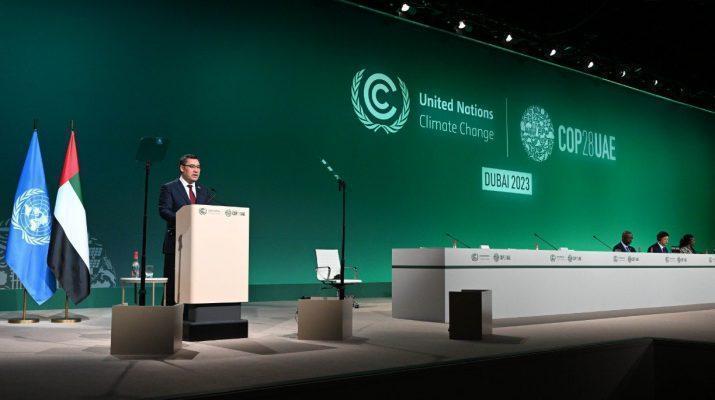
В декабре 2023 года Кыргызстан совместно с Андоррой инициировал образование переговорной Группы Горного Партнерства, представляющей интересы горных территорий в рамках Рамочной конвенции ООН об изменении климата (РКИК ООН).
18 июня 2025 г. на Боннской конференции по изменении климата (SBSTA62) было достигнуто решение о переименовании группы “Горного партнерства” на “Горную группу”.
В настоящее время в Горную группу входит 11 стран: Кыргызстан, Андорра, Армения, Албания, Буркина-Фасо, Казахстан, Мали, Монголия, Пакистан, Таджикистан и Узбекистан.
Все права защищены
mountain@mail.gov.kg
+996312557458
проспект Чынгыза Айтматова 301, 720016, Бишкек