
25 Май | 25 Май
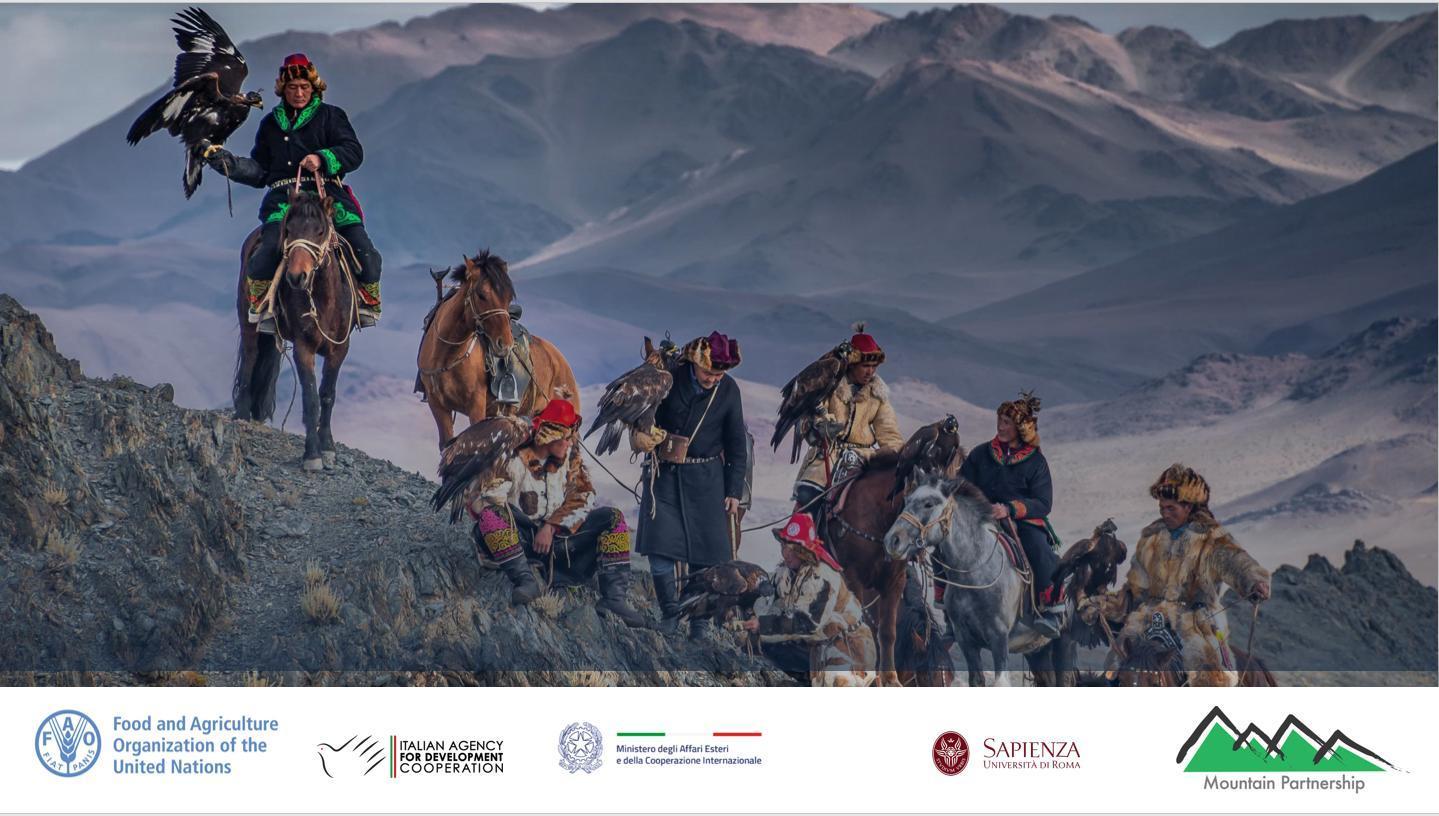
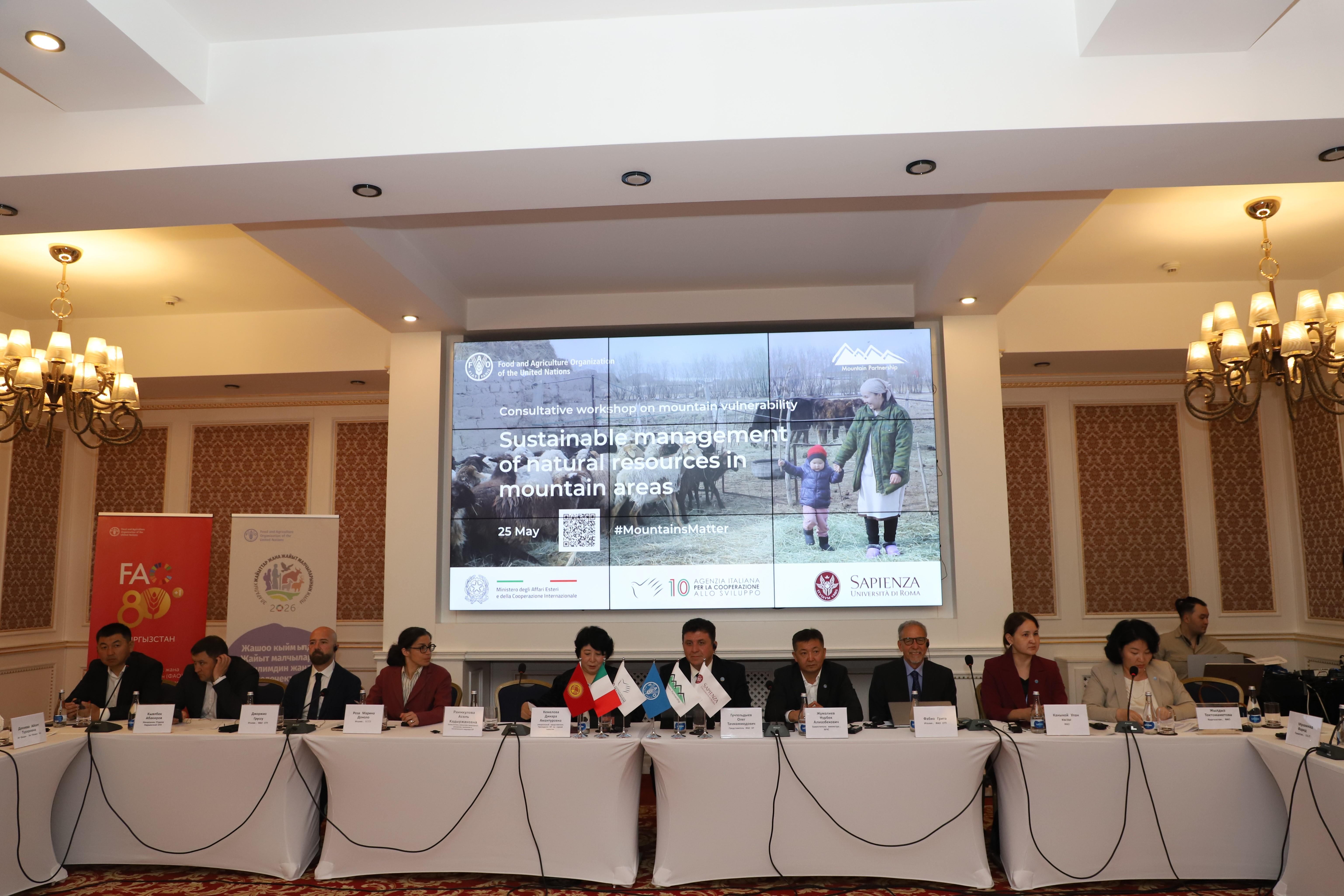
25 мая 2026 года в Бишкеке, в отеле «Орион», состоялась презентация итогов завершённого проекта «Устойчивое управление природными ресурсами в горных районах» (GCP/GLO/052/ITA), реализованного Продовольственной и сельскохозяйственной организацией ООН (ФАО) при поддержке Секретариата Горного партнёрства.
Проект реализовывался при финансовой поддержке Правительства Италии и охватывал пять стран: Афганистан, Албанию, Кыргызстан, Черногорию и Пакистан. Его целью было оказать поддержку правительствам в разработке практических политик и мер, направленных на защиту уязвимых горных сообществ, укрепление их экономического роста и снижение негативных последствий изменения климата.
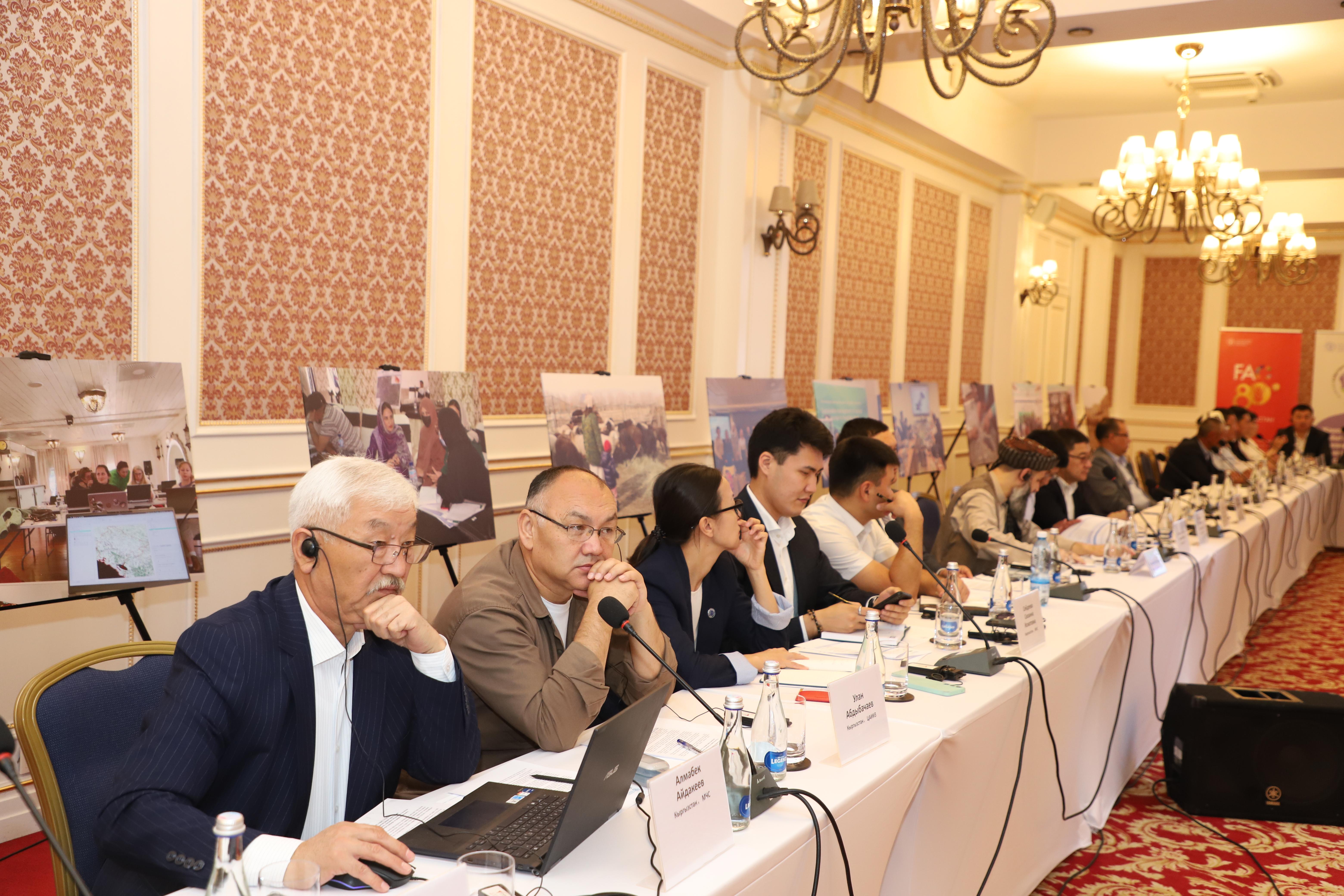
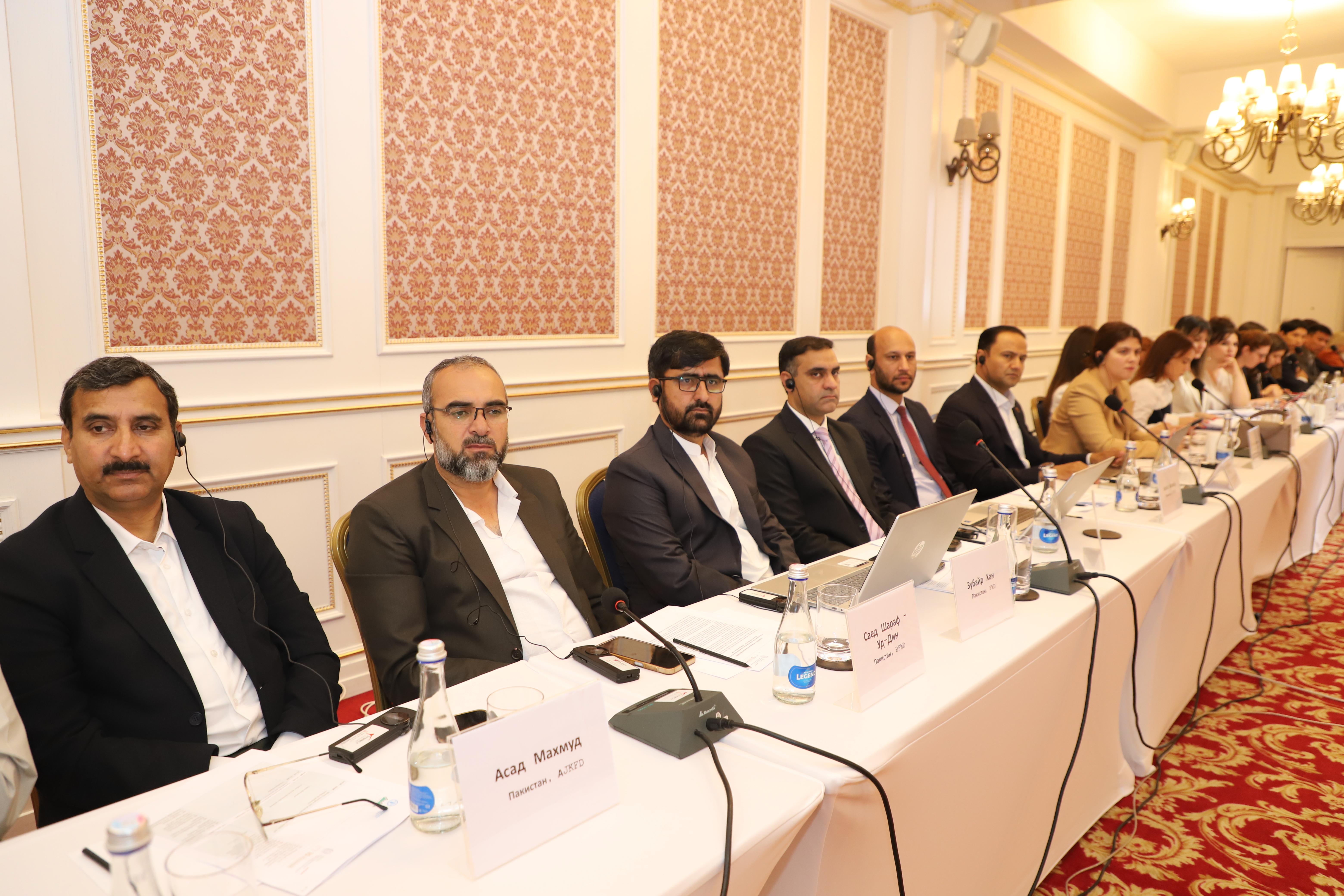
В презентации приняли участие представители всех пяти стран-участниц, которые представили итоговые результаты работы в своих странах. Организация CESVI совместно с ФАО и Римским университетом Ла Сапиенца рассказала об оценке уязвимости горных районов Афганистана в частности, о проведённых тренингах по геопространственным технологиям (QGIS, Google Earth Engine) для преподавателей и студентов Кабульского университета, а также о полевых обследованиях домохозяйств в 5 горных общинах района Карабах провинции Кабул. Представитель Кыргызстана Алимбекова представила результаты климатического и социально-экономического исследования в Ат-Башинском районе Нарынской области, охватившего 5 айыльных аймаков и 19 сёл, включая картирование водных объектов, пастбищ и сельскохозяйственных угодий. Команда государственного предприятия по национальным паркам Черногории (авторы: Маша Вучинич, Йована Бойичич и др.) поделилась опытом исследования допустимой туристической нагрузки в Национальном парке Дурмитор объекте Всемирного наследия ЮНЕСКО, а также разработанными рекомендациями по устойчивому управлению туристическими потоками. Представители Пакистана выступили с двумя докладами: по оценке уязвимости горных сообществ района Шерани провинции Белуджистан, где велась работа с высокогорными экосистемами выше 1800 метров, а также по округу Судханоти в Азад Джамму и Кашмире с анализом климатической изменчивости, дефицита воды и средств к существованию местных общин.
Отдельное выступление было посвящено роли превентивных мер и готовности к реагированию на стихийные бедствия в рамках Пятилетия развития горных регионов Кыргызской Республики. Руководитель Секретариата национальной платформы КР по снижению риска бедствий Алмабек Айдакеев представил данные о динамике чрезвычайных ситуаций за 2000–2024 годы и приоритетах МЧС в части защиты горного населения.
За время реализации проекта были вовлечены 22 национальные организации, а программа повышения потенциала по оценке уязвимости охватила 73 участника. Ряд партнёрских учреждений выразил интерес к масштабированию применяемых методологий.
Презентация стала важной площадкой для обмена опытом между государственными структурами, научными институтами и международными организациями в интересах устойчивого развития горных регионов и благополучия местных сообществ.
участников
дня
сессии
спикеров
Все права защищены
mountain@mail.gov.kg
+996312557458
проспект Чынгыза Айтматова 301, 720016, Бишкек